Updated · 4 min read · By International Product Sourcing
The short answer
Importing from China to Australia comes down to eight steps: check your product is allowed and which standards it must meet, find and verify a factory, approve a sample, agree price and terms, inspect the goods before they ship, book freight, clear customs, and arrange delivery.
Most goods made in China enter Australia duty-free under the China–Australia Free Trade Agreement. You still pay 10% GST at the border on shipments over A$1,000, plus freight, port and clearance costs. The sections below walk through each step.
Step 1: Check your product can be imported
Before you contact a supplier, confirm the product can be sold in Australia. Some goods are prohibited, some need an import permit, and many must meet a mandatory safety standard.
- Safety standards and bans: products such as toys, children’s products and many household goods must meet the mandatory standards listed by Product Safety Australia. The importer is responsible for compliance, and customs clearance is not a safety check.
- Electrical products: in-scope electrical equipment must carry the RCM mark, and the importer must be registered as a responsible supplier under the Electrical Equipment Safety System (EESS).
- Biosecurity: plant, animal and timber products, including wooden pallets and crates, must meet the Department of Agriculture’s import conditions, listed in its BICON database.
- Asbestos: Australia bans asbestos, and the importer must make sure goods are free of it. Building products carry the highest risk.
Step 2: Find and verify a factory
Online marketplaces make suppliers easy to find but hard to judge. Many listings are trading companies rather than factories, which adds a margin and puts distance between you and production.
Before paying a deposit, check the business licence, confirm the supplier actually makes your product, and ask about production capacity and export experience. Most importing problems start at this step.
How IPS finds and verifies factoriesStep 3: Approve a sample
Order samples from your shortlisted factories and approve one in writing as the “golden sample”. It becomes the reference for production and for the inspection before shipping, so it should cover materials, colours, sizes, labelling and packaging.
Step 4: Agree price, payment and shipping terms
Get the quote in writing with the unit price, minimum order quantity, lead time and payment terms. A deposit before production and the balance after inspection is a common arrangement.
The quote will also name an Incoterm, which sets where the supplier’s responsibility ends:
- EXW (Ex Works): you collect from the factory and pay for everything after that.
- FOB (Free On Board): the supplier loads the goods onto the ship at the Chinese port; you pay sea freight and everything after.
- CIF (Cost, Insurance and Freight): the supplier pays freight and insurance to the Australian port, though the risk passes to you once the goods are loaded.
- DDP (Delivered Duty Paid): the supplier covers freight, duty and taxes to your door.
Quotes on different terms aren’t comparable, so compare the landed cost (everything to your door) rather than the unit price.
Step 5: Inspect the goods before they ship
Once goods leave the factory, defects are expensive to fix. A pre-shipment inspection checks a random sample of the finished order against the golden sample, usually using AQL sampling, and confirms carton counts, labelling and packaging. Supervising the container loading confirms the right goods go in.
How IPS inspects goods in ChinaStep 6: Book the freight
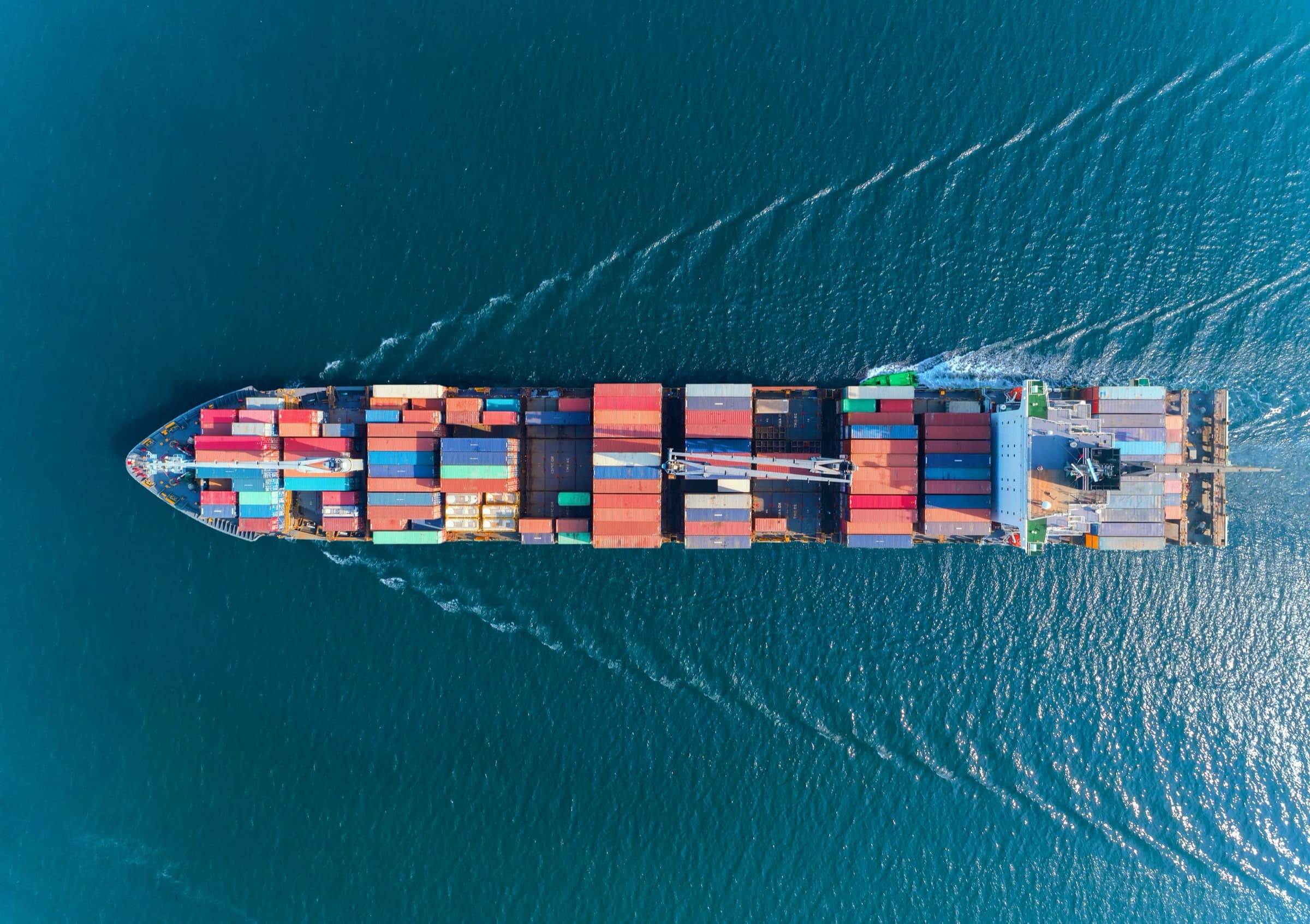
Smaller orders usually ship by sea in a shared container (LCL), where you pay for the space you use. Larger orders ship in a full 20 ft or 40 ft container (FCL). Air freight is the fastest and suits samples and urgent stock.
Book early around Chinese New Year, when factories close for several weeks and shipping slows down.
Shipping from China to AustraliaStep 7: Clear customs in Australia
Shipments valued over A$1,000 need a full import declaration lodged with the Australian Border Force (ABF). As the owner of the goods you can lodge it yourself, but the ABF recommends that first-time and infrequent importers use a licensed customs broker.
The declaration needs the commercial invoice, packing list and bill of lading or air waybill, plus a certificate of origin if you are claiming the free trade agreement rate.
Import duty and GST on goods from China
Most goods made in China are duty-free under the China–Australia Free Trade Agreement (ChAFTA), provided you hold a valid certificate of origin for the shipment. Some products still carry duty, so check your product’s tariff classification before you order.
GST of 10% is charged on the value of the taxable importation: the customs value of the goods, plus any duty, plus international transport and insurance. GST-registered businesses can usually claim it back as a GST credit. An import processing charge also applies to each formal import declaration.
A full landed cost includes:
- Product cost
- Samples and inspection
- International freight and insurance
- Duty (if any) and GST
- Import processing charge, customs broker and port fees
- Delivery from the port to your door
Step 8: Delivery and the next order
After clearance, goods are released from the port or container depot and delivered to your warehouse, store or site. Check the delivery against the packing list.
Keep the approved sample, inspection report and import documents. They make the next order faster and keep it consistent with the first.
Common mistakes to avoid
- Paying in full before production or inspection
- Approving a sample without written specifications
- Comparing quotes on unit price instead of landed cost
- Skipping the pre-shipment inspection on a first order
- Leaving compliance checks until the goods arrive
- Not allowing for Chinese New Year in the timeline
Importing from China with IPS
IPS handles every step above for Australian businesses: factory search and verification, samples, on-site inspection, freight, customs and delivery, with one dedicated contact from the first brief to delivery.
See the full IPS processFrequently asked questions
Sources
- DFAT: Guide to using ChAFTA to export or import
- Australian Border Force: Import declarations
- Australian Border Force: GST and other taxes
- Australian Border Force: Value of taxable importation
- Product Safety Australia: Product safety standards
- EESS: Steps for compliance
- Department of Agriculture: ISPM 15 timber packaging
- Australian Border Force: Asbestos (Customs Notice 2015/38)
General information only, not legal or tax advice. Rules change, so check the official sources or ask us about your product.